
(Image source from: Newsarenaindia.com)
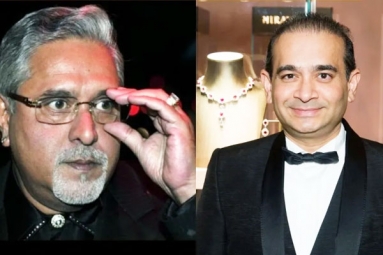
Fugitive diamond seller Nirav Modi has faced yet another legal challenge in the UK. The High Court in London has ruled in favor of Bank of India, stating that Modi is responsible for paying over $10.7 million, which is more than Rs 100 crore at today’s rates, in an ongoing loan disagreement related to his business holdings. This ruling is a key win for the government-owned bank as it works to recover money from one of India’s most well-known financial wrongdoers. The conflict is about a loan that the Bank of India gave to Firestar Diamond FZE, a company connected to Nirav Modi in Dubai. The bank claimed that Modi personally guaranteed the loan, making him accountable for paying back the amount owed. Modi challenged this claim in the courts of the UK. In an unusual action, he even came to the London court himself earlier this year to defend his case. However, the High Court ultimately agreed with the Bank of India, stating that the bank's claim was valid and could be enforced. This means the bank can now seek to recover the money using legal options available in the UK.
This ruling adds to a series of legal losses for Nirav Modi in Britain. Back in March of this year, he tried to reopen his case against being sent back to India, but the London High Court denied his request. The court's decision supported prior rulings that allowed for his return to India to face charges. Modi has been in custody in the UK since his arrest in London in March 2019. His requests for bail have been turned down numerous times by British courts. Nirav Modi is one of the main accused individuals in the Punjab National Bank fraud case that impacted India’s banking system in 2018. Indian investigative agencies, such as the Central Bureau of Investigation and the Enforcement Directorate, have charged him with fraud, criminal conspiracy, and money laundering. They claim that the fraud involved thousands of crores of rupees and took advantage of banking guarantees issued by Punjab National Bank. Since leaving India, Modi has dealt with extradition efforts, asset seizures, and several recovery actions from banks and enforcement agencies. Government reports indicate that fugitive financial criminals collectively owe public sector banks more than Rs 58,000 crore, with recovery efforts still ongoing across different regions.
For Bank of India, this ruling is not just a legal success. It enhances the bank’s chances of recovering money through foreign courts and sends a message that Indian banks can effectively pursue claims against borrowers who default, even if they move their assets or businesses abroad. For Nirav Modi, the judgment adds yet another financial responsibility while he continues to face extradition and fraud-related cases linked to one of India’s largest banking scandals.